Source External Antenna Wireless Module for IoT, GPS, and RF
Find and compare 30 external antenna wireless module options from verified manufacturers. Evaluate specifications like VSWR, impedance, and certification for IoT, GPS, and RF applications to find the right fit for your project.
Key considerations
Products List






Comprehensive Sourcing Guide
External Antenna Wireless Module Sourcing Guide
Sourcing external antenna wireless modules requires a disciplined approach to aligning technical performance with supply chain reliability, particularly when integrating components for communication systems, remote control applications, or IoT devices. The market offers a diverse array of options ranging from compact PCB modules to robust directional antennas, each serving specific frequency bands and operational environments. Buyers must navigate a landscape where product attributes like impedance, VSWR, and directionality vary significantly between manufacturers, necessitating a clear definition of requirements before engaging with suppliers.
The procurement process begins with identifying the specific operational context, such as wireless water metering, GPS tracking, or general communication links, as these applications dictate the necessary antenna characteristics. Evidence from current listings indicates that modules often feature built-in internal antennas or external wire structures, with some designed specifically for handheld devices while others serve as base station components. Understanding these distinctions is critical, as the choice between an omnidirectional and a directional antenna will fundamentally impact signal coverage and system stability in the final deployment.
Product Scope and Observed Listing Signals
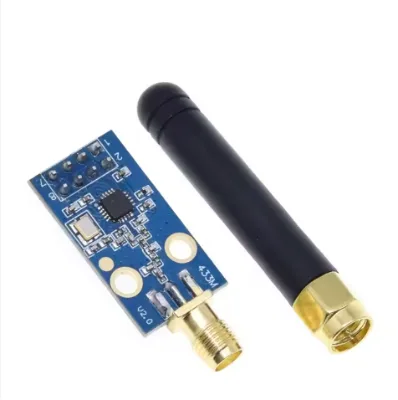
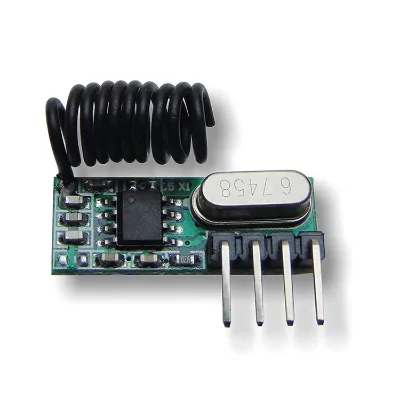
The observed product scope for external antenna wireless modules encompasses a wide variety of form factors and functional designs, including handheld units, PCB modules, and specialized GPS antennas. Listings frequently highlight features such as built-in internal antennas, screw-type appearances for mounting, and specific materials like copper (Cu) for optimal conductivity. Buyers should expect to encounter items described with specific models like the GBP-433-07FR or TLB-433-3.0B, which often come with distinct packaging requirements ranging from simple plastic bags to standard cartons, depending on the manufacturer's logistics capabilities.
Signal characteristics and usage scenarios are primary signals in product listings, with many items explicitly categorized for communication antennas, car antennas, or wireless water meter functions. The data suggests a prevalence of 433MHz frequency modules, though GPS and microwave wavelength options are also available in the market. When evaluating listings, procurement teams should verify the nature of operation, noting whether the component is designed for receiving or transmitting signals, as this determines its compatibility with the intended system architecture and the required cable types, such as RG-174, for connection.
Technical Specifications to Verify
Technical verification must prioritize impedance matching and voltage standing wave ratio (VSWR) to ensure efficient power transfer and minimal signal reflection within the system. A critical specification to confirm is the impedance, which is commonly standardized at 50 ohms for these modules, ensuring compatibility with most RF transmission lines. Additionally, the VSWR should be checked against performance thresholds, with observed data indicating values below 1.5 as a benchmark for high-quality performance, which directly correlates to the reliability of the wireless link in real-world conditions.
Frequency and directionality are equally vital parameters that define the antenna's coverage pattern and operational range. Buyers should verify whether the module is an omnidirectional antenna suitable for general coverage or a directional antenna designed for focused transmission, such as base antennas or specific GPS applications. The operating wavelength, often cited as microwave in certain contexts, and the physical dimensions, which can range from compact two-dimensional designs to larger wire antenna structures, must align with the physical constraints of the host device and the environmental factors of the installation site.
Compliance and Safety Documentation
Regulatory compliance is a non-negotiable aspect of sourcing external antenna wireless modules, as these devices often operate in licensed or unlicensed spectrum bands subject to strict international regulations. Documentation should explicitly confirm adherence to standards such as RoHS, which restricts hazardous substances, and ISO9001, which validates the manufacturer's quality management systems. Many suppliers in the market provide certifications including CE and FCC, which are essential for market access in Europe and North America, ensuring that the product meets electromagnetic compatibility and safety requirements for consumer and industrial use.
Beyond basic certifications, buyers must verify the specific standards applicable to their target markets, such as ISO/TS16949 for automotive applications or specific network support standards like GPRS for cellular integration. The presence of a warranty, typically observed as a one-year period in current listings, serves as an indicator of the manufacturer's confidence in their product's durability and performance. It is crucial to ensure that the provided documentation is current and covers the specific model being procured, as standards and regulatory requirements can evolve rapidly in the wireless technology sector.
Cost Drivers and Commercial Terms
The cost of external antenna wireless modules is influenced by a combination of material composition, manufacturing complexity, and the level of customization required. While observed price ranges in the market can vary widely from $0.20 to $4500, this disparity often reflects differences in functionality, such as the inclusion of advanced features like automatic connection for headphones or specialized GPS tracking capabilities. Buyers should analyze the cost structure relative to the specific technical specifications, such as the use of copper materials or the complexity of the antenna structure, to determine the true value proposition of a supplier's offering.
Commercial terms, including minimum order quantities (MOQ) and lead times, play a significant role in the total cost of ownership and supply chain planning. Current market data indicates MOQs ranging from 1 to 100 units, offering flexibility for both prototyping and mass production scenarios. Lead times are typically observed between 3 to 7 days for standard orders, with sample times available within 1 to 3 days, allowing for rapid iteration during the design phase. Procurement teams should negotiate these terms based on volume commitments and delivery urgency to optimize cash flow and inventory levels.
Supplier Qualification and Quality Control
Supplier qualification should focus on verifying the business type and operational history, with a strong preference for manufacturers or factories that maintain direct control over the production process. Evidence suggests that many suppliers are located in key manufacturing hubs such as Shenzhen and Guangzhou in China, regions known for their robust electronics supply chains. Buyers should assess the supplier's ability to provide consistent quality by reviewing their certification status and their adherence to international standards, ensuring that the production environment supports the rigorous demands of wireless component manufacturing.
Quality control mechanisms must be integrated into the procurement process, starting with the verification of sample quality before committing to larger orders. Suppliers should demonstrate a clear understanding of product attributes, such as the specific packing requirements like polybags or paper cartons, and the ability to meet custom packaging needs. It is essential to confirm that the supplier can consistently deliver products that match the specified models and technical parameters, as inconsistencies in production can lead to significant performance issues in the final application.
Long-Term Procurement Checks
Establishing a long-term procurement strategy requires regular audits of supplier performance and product consistency to mitigate risks associated with supply chain disruptions. Buyers should implement a system for tracking key performance indicators, such as defect rates, delivery timeliness, and responsiveness to technical queries, to ensure that the supplier continues to meet evolving business needs. Regular reviews of the supplier's certification status and adherence to updated standards are necessary to maintain compliance and avoid regulatory penalties in the future.
Sustainability and adaptability are also critical factors for long-term success, as the wireless technology landscape is constantly evolving with new frequency bands and communication protocols. Procurement teams should engage suppliers in discussions about future product roadmaps and their capacity to support customization, such as the availability of custom designs or specific material requirements. By fostering a collaborative relationship with qualified manufacturers, buyers can ensure a steady supply of high-quality external antenna wireless modules that support the growth and innovation of their own product lines.
FAQs
What certifications are available for these antennas?
These antennas typically hold RoHS, ISO9001, CE, and FCC certifications. Some models also comply with ISO/TS16949 standards. These certifications ensure compliance with international safety and quality regulations for electronic components used in communication devices.
Can I customize the packaging for bulk orders?
Yes, customization is available for packaging requirements. Standard options include plastic bags in cartons or polybags with paper cartons. You can request standard packages or specific arrangements based on your cost and logistical needs for efficient shipping.
What is the typical lead time for production?
The standard lead time ranges from 3 to 7 days for production. Sample preparation usually takes 1 to 3 days. These timelines apply to standard models, ensuring quick turnaround for urgent communication antenna procurement needs from factory sources.
Which operating wavelengths are supported by these modules?
These modules support microwave operating wavelengths, specifically designed for 433MHz wireless applications. They function as omnidirectional antennas with built-in internal antennas, suitable for wireless remote control and handheld communication devices requiring stable signal transmission and reception.
What is the minimum order quantity for these items?
The minimum order quantity ranges from 1 to 100 units depending on the specific model. This flexible MOQ allows buyers to test samples or order small batches. It supports both trial purchases and larger commercial procurement needs for antenna components.
Where are these antennas manufactured?
These antennas are manufactured in China, with specific origins in Shenzhen and Guangzhou. The suppliers operate as manufacturers or factories, ensuring direct sourcing from production facilities. This location supports efficient supply chain management for global buyers seeking electronic components.